Finding Quality and Value: Your Guide to Affordable Honey Oil
Honey oil has become a staple in the modern cannabis concentrate market. For anyone who has spent time browsing dispensary menus or online shops, the term "honey oil" usually refers to a high-quality, solventless extract that retains a rich profile of cannabinoids and terpenes. It sits somewhere between traditional hash and more processed concentrates like distillate or isolate. What draws many people in is the balance of potency and flavor. But finding a product that delivers both without breaking the bank can be a challenge. The search for affordable honey oil that still meets quality standards is something I have seen many enthusiasts navigate, and it requires knowing what to look for.
When I first started exploring cannabis concentrates, I made the mistake of assuming that price always reflected quality. I spent too much on jars that looked impressive but delivered a flat experience. Over time, I learned that the best value comes from understanding the production method, the source material, and the testing behind the product. The good news is that the market has matured enough that you do not have to choose between cost and cleanliness. Affordable honey oil exists, and it can be just as satisfying as premium offerings if you know the markers of quality.
What Makes Honey Oil Different
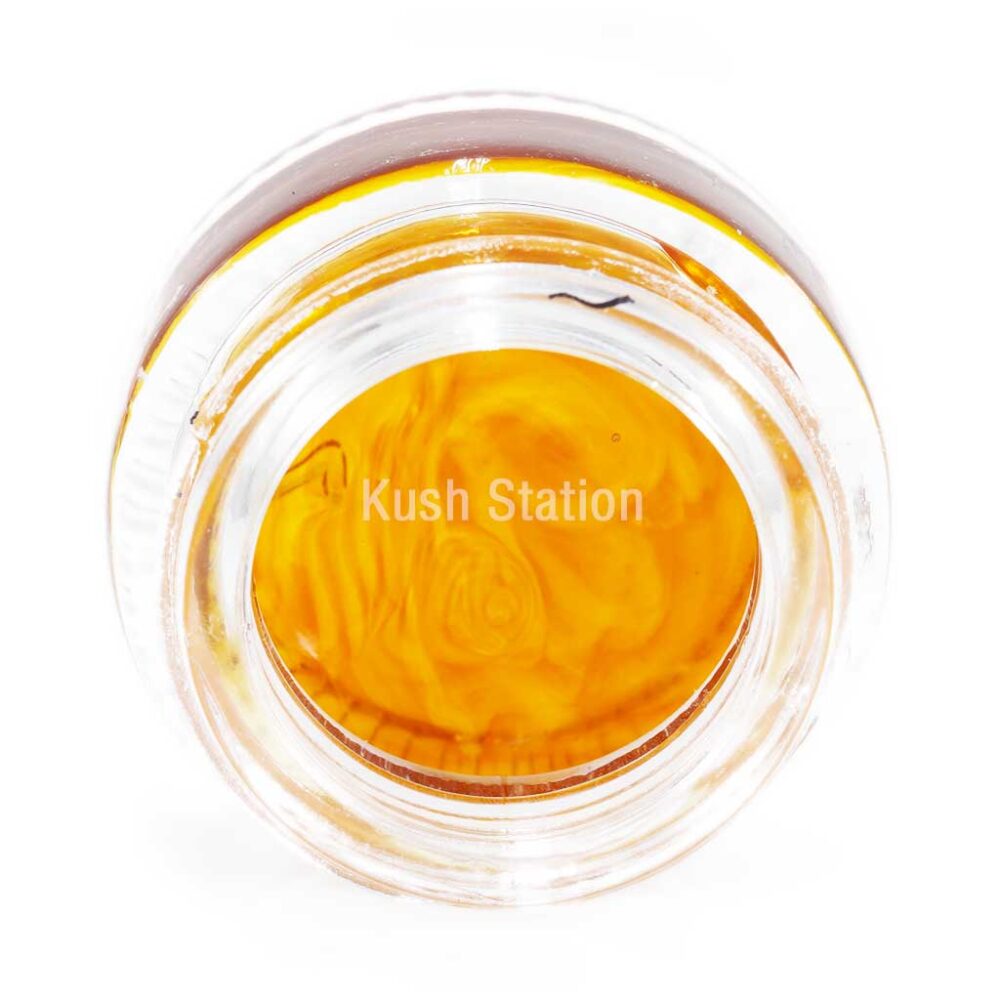
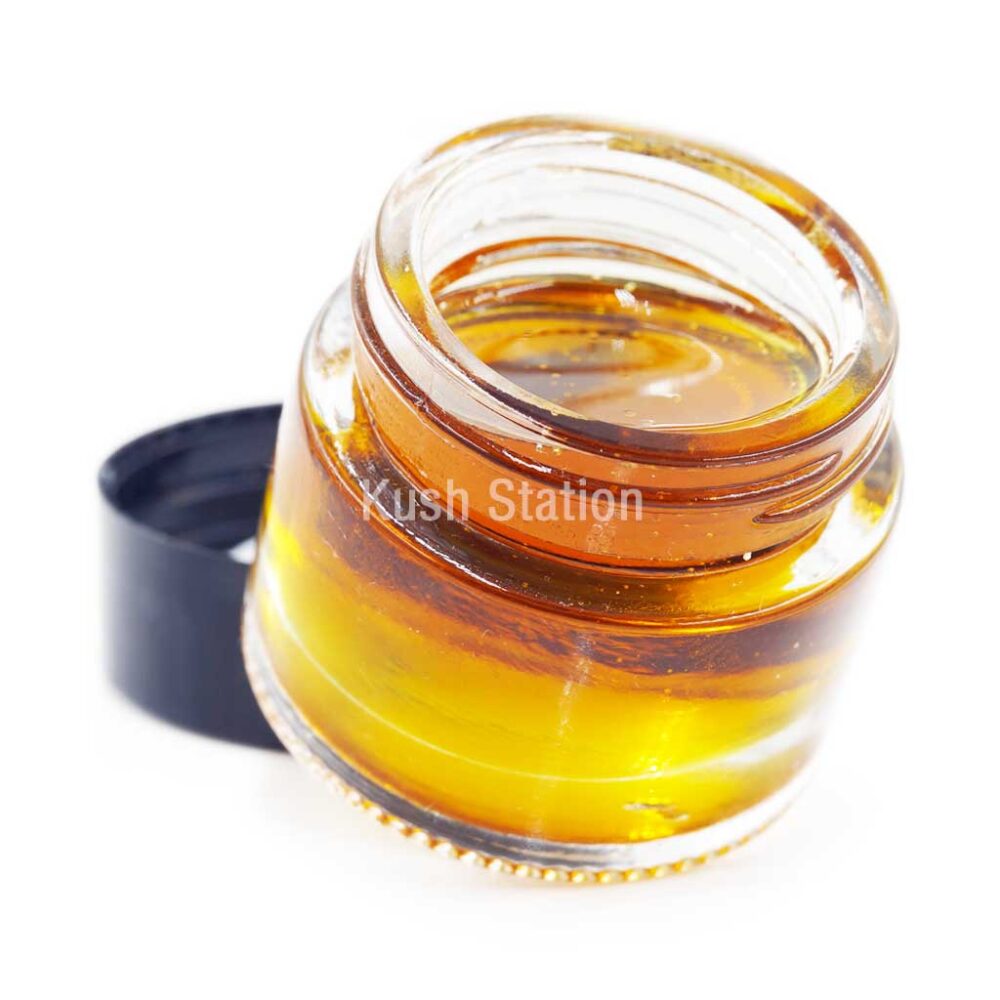
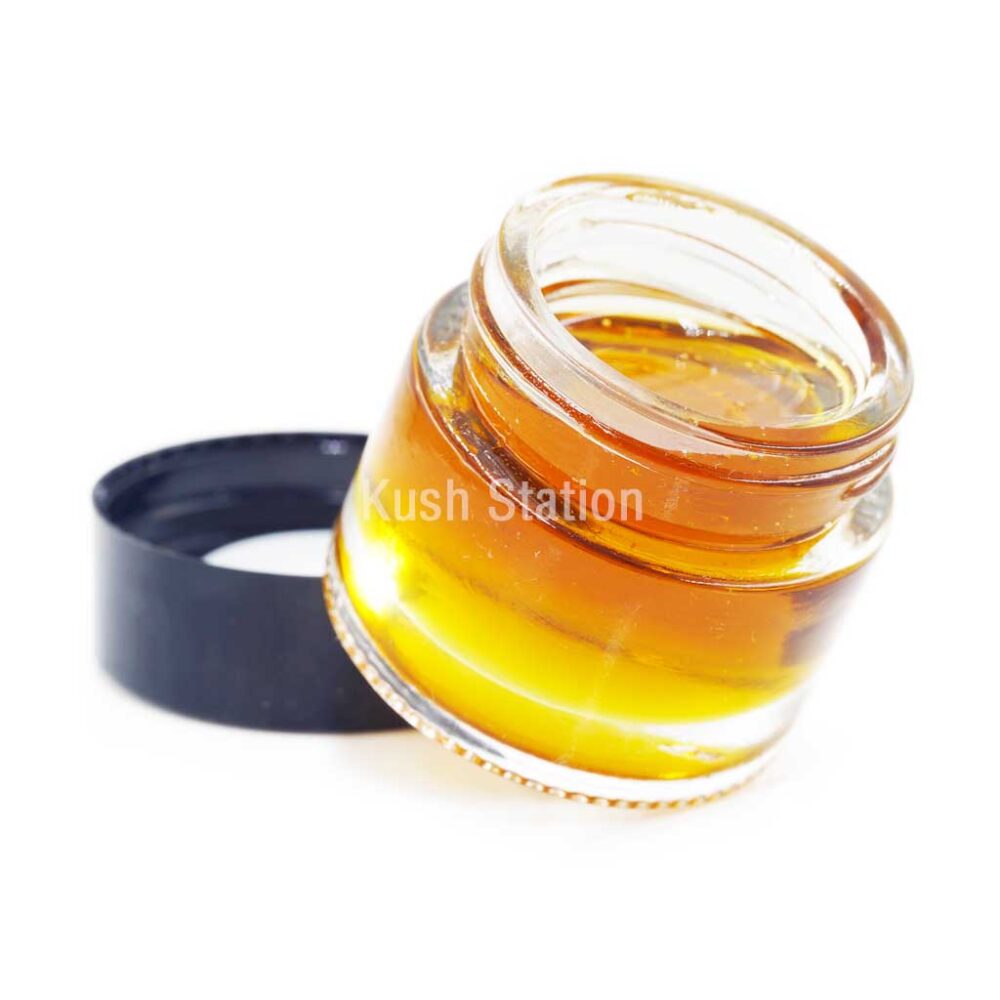
Honey oil is not a standardized term across the industry, but most producers and consumers use it to describe a raw or minimally refined cannabis extract. It often has a thick, sticky consistency and a golden to amber color. The texture comes from the balance of cannabinoids and the natural waxes present in the trichome heads. Unlike more processed concentrates that strip away the plant's original profile, honey oil tends to preserve a wider range of compounds. That includes minor cannabinoids and the full spectrum of terpenes, which contribute to what many call the entourage effect. This synergy between compounds is part of why whole-plant extracts have a devoted following.
One common production method for honey oil is supercritical CO2 extraction. This technique uses carbon dioxide under high pressure to separate the desired compounds from plant material without the use of harsh solvents like butane or ethanol. The result is a clean product that retains a lot of the original strain's character. When done correctly, CO2 extraction yields a concentrate that is both potent and flavorful. I have tried CO2 extracts from a few different sources, and the ones that stand out are the ones where you can still taste the strain's signature notes. For example, a Durban Poison honey oil made this way carries that distinct sweet and spicy profile, while a Blue Dream version leans into the berry and herbal tones.
The Role of Lab Testing in Value
Third-party lab testing has become a non-negotiable part of the premium cannabis market, and it is just as important when you are looking for affordable honey oil. A certificate of analysis from an accredited lab tells you the exact levels of major cannabinoids like delta-9 tetrahydrocannabinol, as well as the presence of any contaminants. Potency analysis also shows the ratio of THC to other cannabinoids, which affects both the intensity and the character of the experience. I always check for batch numbers on the label or the product page. A batch number means the producer is tracking their output and is willing to provide transparency. Without it, you are trusting a brand name alone, which can be hit or miss.
Some people worry that lower-priced concentrates skip testing to cut costs. That is a valid concern, but it is not always the case. Several reputable brands now offer strain-specific honey oils at accessible prices, and they still invest in third-party lab testing. The difference often comes down to economies of scale, direct-to-consumer sales, or sourcing from regions with lower overhead. Washington state, for instance, has a mature cannabis industry with many producers who have refined their extraction methods. Some of the best value I have found came from Washington-based operations that sell their honey oil online. They compete on quality and price, not just marketing.
Practical Tips for Choosing a Product
When you are browsing for affordable honey oil, here are a few practical things to keep in mind:
- Look for clear labeling that includes the strain name, extraction method, and batch number. A strain-specific product tells you the producer is using a single source of plant material rather than mixing leftovers.
- Check the consistency. Honey oil should be thick but pliable at room temperature. If it is runny or too hard, it may have been overheated or cut with filler.
- Read the lab report if available. A potency analysis will show you the THC percentage and the presence of other cannabinoids. For many users, a range of 60 to 80 percent delta-9 tetrahydrocannabinol offers a good balance of effect and flavor.
- Consider the intended use. If you plan to use a dab rig, you want a product that vaporizes cleanly without leaving residue. If you prefer a vaporizer, look for something with a lower melting point that works well in a convection chamber.
I have personally found that some of the best experiences come from strains like Northern Lights and Blue Dream in honey oil form. Northern Lights has a classic earthy and piney profile that translates well into a concentrate. Blue Dream brings a more complex sweetness that can be very pleasant. Another strain worth seeking out is Honey Banjo, which some producers have developed specifically for its resin production. The name alone tells you something about the expected flavor profile.
How to Use Honey Oil Effectively
If you are new to honey oil, the way you use it can make a big difference in how much you enjoy it. A dab rig is the most common tool. You heat a nail or banger to the right temperature, drop a small amount of concentrate onto the surface, and inhale the vapor. The key is to not overheat it. Too high a temperature will burn off the delicate terpenes, leaving a harsh taste and diminishing the entourage effect. I aim for a low-temp dab, usually around 350 to 400 degrees Fahrenheit. That preserves the flavor and gives a smoother hit.
A vaporizer designed for concentrates is another good option. Many portable devices now have concentrate pads or chambers that work well with honey oil. The advantage is that you can control the temperature more precisely and take smaller doses throughout the day. I have used a few different vaporizers with honey oil, and the ones with ceramic heating elements tend to produce the best flavor. The trade-off is that you have to clean them more often, but that is a small price for a clean experience.
The Bigger Picture: Market Trends and Quality
The cannabis industry has seen a lot of growth in the concentrate category over the last decade. Products that were once reserved for connoisseurs are now widely available. Competitions like the Cannabis Cup and features in High Times have helped highlight the best producers, but they have also created a tier of "award-winning" products that command high prices. That does not mean everything outside that tier is inferior. Many small and medium producers create excellent honey oil without the marketing budget. They rely on word of mouth and repeat customers.
I have tried honey oil from several producers that would never appear on a competition list, and some of those were the most memorable. One batch of Durban Poison I picked up from a lesser-known brand had a flavor profile that rivaled anything I had tried from a big name. The key was that they used fresh, high-quality plant material and a careful extraction process. That is the kind of affordable honey oil you want to find. It does not have the fanfare, but it delivers on the experience.
Final Thoughts on Value
Value in cannabis concentrates is not just about the lowest price per gram. It is about the ratio of cost to the quality of the experience. A cheap product that tastes like plant matter or leaves a dirty residue is not a bargain. A moderately priced honey oil that offers clean vapor, strong effects, and a true representation of the strain is worth every penny. That is the sweet spot I look for, and it is achievable with a bit of research and patience.
I have learned to trust producers who provide batch numbers and lab reports, even if their prices are lower than the luxury tier. I have also learned to appreciate the nuances of different strains and how they express themselves in concentrate form. Whether you are using a dab rig or a vaporizer, the goal is the same: to enjoy the full spectrum of what the plant offers. Affordable honey oil can get you there, and it does not require a premium budget. It just requires paying attention to the details that matter.